by Ana Wolpin | Mar 6, 2024 | General
Administrators and elected officials in Port Townsend’s city hall are painfully familiar with charges of subverted public processes, and rightfully so. Sims Way poplars, the golf course, streateries, the pool — each of these controversial projects followed trajectories reflecting desires and preferred outcomes of those in power at the expense of transparency and honest efforts at citizen engagement.
Yet another attempt by the city to avoid transparency and manipulate public process has come to light.
In the course of exploring options for Port Townsend’s aging Mountain View pool, City Manager John Mauro and the city’s Director of Parks and Recreation Strategy Carrie Hite have told us there were only two choices. We “do nothing” and wait for the pool’s inevitable closure. Or the City of Port Townsend plus all the county’s taxpayers take on the massive debt of a grandiose $37-50 million aquatic center that citizens are calling the Taj Mahal (see articles here, here, here, here, and here).
Citizens asked repeatedly, What about renovating the existing pool? Mauro and Hite insisted that repairing and upgrading the pool would be prohibitively expensive — that the only option is a full-scale redevelopment of the entire Mountain View complex.
More than half a million dollars later, it turns out that reports provided by experts hired to evaluate the options show their assertion is untrue. And that those reports were kept not only from taxpayers, but also from the city council.
It took two citizens’ requests for documents that are supposed to be publicly available to uncover these suppressed reports.
They revealed estimates to completely refurbish and modernize the pool for $4-$5 million.
First Consultant’s Report
Last summer, the city commissioned Water Technology, Inc. (WTI) to evaluate the condition of the Mountain View pool and estimate the costs of remedying any problems found. WTI provides designs for new pools and the “refreshing” of old pools. In their field, which is primarily traditional construction methodology, they are considered a global leader.
WTI conducted an on-site investigation of the Mountain View pool and provided its report to the city six months ago on September 8, 2023. They found plenty of signs reflecting the age of the facility, the same problems we have heard about from city and YMCA staff, namely:
- leakage in the pool vessel;
- rippling in the pool liner;
- ineffective pool gutter;
- clogged drains;
- deteriorated pool deck;
- corrosion;
- lack of underwater lighting;
- insufficient HVAC ventilation;
- inefficient and problematic pump;
- deteriorated heat exchanger;
- absence of secondary disinfectant system;
- less significant issues such as ceiling bulbs needing replacement.
Example from WTI report of photos and written assessments (from Page 4 of PDF).
WTI estimated that all the deficiencies it found could be repaired and remedied for $2.875 million. For $3.5 million the Mountain View facility could be fully modernized, with complete reconstruction of the pool vessel, pool deck, piping, deck drainage and mechanical systems. They stated:
The newly constructed pool vessel will be designed and engineered to modern standards of quality and compliance and be supported by today’s advanced mechanical, filtration and water treatment systems.
The $3.5 million reconstruction would include:
- New lap pool of 3,400 square feet;
- Water depth zero to ten feet;
- Quartz aggregate finish with tile border and markings;
- Four lap lanes with starting platforms;
- Shallow water program area.
WTI did not intend to paint only a rosy picture. Their conclusion was clear, and certainly no surprise. New is better, if one can afford new…
There is a significant investment required to provide aquatic amenities to the community which are maintainable long-term. However, lower levels of capital inputs for repairs or renovations in the short-term often result in higher total expenditures in the long-term. This report finds the Port Townsend community would be best served, both programmatically and financially, with a new aquatic facility. A modern aquatic center can provide the durability and efficiencies to enable a more effective and sustainable facility over a lifespan measured in decades than the existing facility after repairs and renovations.
But do we have the resources for a Taj Mahal? With city finances currently falling off a “fiscal cliff”, essential services like water and sewer are at risk right now in Port Townsend. Does “living within our means” apply to governments in the least? Bureaucrats spending other people’s money without consequence for catastrophic failure has led many cities in this country to bankruptcy.
Second Consultant “Found Minimal Damage to the Existing Structure”
WTI’s report did not look into the condition of the building. For that the city retained the services of CG Engineering of Edmonds, Washington “to assist the City with determining the scope and cost of rehabilitating the pool building,” according to the firm’s October 30, 2023 Structural Assessment Report.
CG Engineering inspected the pool on October 10. Water staining was observed on the ceiling. But rotting damage was not found; the stains were superficial. “Roof decking appeared in good condition,” the engineers concluded. Rust and rust stains were also observed at locations around the building.
Dozens of photographs document CG Engineering’s assessment of the Mountain View Pool building’s structure. Page 10 of the 10/30/23 Structural Assessment Report.
Structural elements are in good condition. The concrete walls are in good condition. A pool equipment pad was corroded and deteriorated. A crack in the men’s locker room floor was a shrinkage crack and did not compromise structural integrity. The same conclusion was reached regarding observed hairline fractures in locker room walls.
Director of Parks and Recreation Strategy Hite (who holds neither an engineering degree nor a contractor’s license) has asserted that the pool is doomed and beyond repair partly because of the tunnel under the building.
Not so, concluded the engineers. Yes, the metal decking in the tunnel was severely corroded and had fallen away in several places. But “the decking appears to be non-structural and was likely formwork used during the original construction.” Cracking in the sidewalk slab directly above the tunnel was due to temperature differentials and did not compromise structural integrity, they said.
CG Engineering concluded:
Generally, we found minimal damage to the existing structure. Water staining and rust on the roof framing and steel connectors appeared superficial. The recently added vinyl roof coating appears to have been successful in temporarily preventing further water intrusion to the structural framing. Minor cracks in the concrete/CMU walls and concrete slabs appeared to be temperature and shrinkage related and should not affect the integrity of the structure.
CG Engineering’s recommended remedies came to an estimated cost of $536,643. There is only a partial cost of $300,000 estimated for a new roof which has been quoted elsewhere at $1.07 million. If the higher roofing estimate is accurate, that could bring the structural total to $1.3 million. And there is a to-be-determined line item for seismic retrofit. Seismic retrofits are not necessarily required and that appears to be the case for Mountain View since the city never asked any firm to estimate that cost.
Thus, based on these two consultant’s reports, the combined cost of remedying the building’s deficiencies and completely modernizing and upgrading the aquatic components comes to less than $5 million ($3.5M + $1.3M). Not the tens of millions we have been told it would take to provide a place for children to learn to swim and elders to recreate.
Why did city employees keep this news from the city council and the taxpayers who paid for those reports?
Why was public digging necessary to reveal this information?
Enter the Third Consultant’s Report
The WTI and CG Engineering reports, only recently disclosed, were respectively received by the city six months and four months ago. Both firms have decades of experience in these kinds of analyses.
From minutes of the August 8, 2023 workshop of the Healthier Together Aquatic Center steering committee we learn that these two reports were anticipated by mid-September. The minutes noted:
From minutes of the August 8, 2023 Healthier Together Aquatic Center steering committee meeting with Carrie Hite and eight others in attendance. The meeting focused mostly on using the creation of a Public Facilities District (PFD) as a funding mechanism for the proposed new aquatic center, and strategies for winning approval of a new tax ballot measure brought to county voters.
But upon receipt of WTI’s September 8 Mountain View Pool Evaluation and CG Engineering’s October 30 Structural Assessment Report, neither report assessing the possibilities for upgrading the pool and building was disclosed by the city. When both of the above reports revealed less than a $5 million price tag likely for full repair and renovation, it appears Hite and Mauro took another approach.
A third consultant’s report was commissioned. The city contracted DCW Cost Management, a generalized cost-estimating firm in Seattle with no specific expertise in pools, to do a “Cost Study.”
DCW’s Mountain View Pool Renovation Cost Study considers a different scope of work — pool renovation and total building reconstruction at $21 million.
Unlike the first two reports which present documenting photos and written analysis to remedy existing conditions, DCW’s Cost Study, obtained months later, shows no evidence that the firm assessed anything about the existing pool and structure. Other than saving and repairing some windows and exterior doors and repairing a roof drain, it appears that most if not all of the structure, and every system and all contents were to be replaced with new ones. We are told that “Cost [sic] are developed using existing as-built drawings.”
This cost study herein attempts to address the modernization of the existing facility to meet current code and for the pool to meet competition standards for Jefferson County students. The interior renovation includes new interior finishes, pool expansion and building extension, resurfacing of the pool deck, acoustic wall treatment to the natatorium, new plumbing where systems are broken, mechanical and electrical upgrades to current code.
No drawings or plans are shown, only costs. But reading through the 18 pages which include demolition, mass excavation, earthwork and other site preparation — even $153,000 in new landscaping — the impression is that they have taken a wrecking ball to the current building and used the existing as-built drawings to price out a complete rebuild.
Costs are delineated for components such as roofing ($1.07M), superstructure ($1.77M), plumbing systems ($2.67M), and heating, ventilation and cooling ($1.64M). Every pipe fitting, piece of tile and drain is itemized. There is a $1,530 line item for a 60 square foot “locker room graphic.”
We asked professional contractor Mark Grant of Grant Steel Buildings and Concrete Systems, Inc., who has scrutinized this study, for his impressions.
“Your interpretation is correct in that the DCW pool renovation cost study reflects nearly a complete tear down and rebuild of the entire facility. It is a stretch to refer to the scope of work shown in the DCW report as a renovation.”
He believes it’s prudent to add more for contingencies than is allowed for in the $4-$5 million total of the first two reports. But even another million or two will not come close to DCW’s $21 million rebuild price tag the city is claiming is an under-estimate.
Strategy: City Management Gaming the Public
In November 2023, as a member of the Healthier Together Aquatic Center steering committee, City Manager John Mauro acknowledged to the Jefferson County Commissioners that taxpayer funds in excess of half a million dollars had already been spent in pursuit of the “Taj Mahal” aquatic center project. Consultant fees and other trackable expenses have at this point amounted to over $721,000 — including more than $555,000 from the city, $105,000 from the county, and $50,000 from the Jefferson County Hospital District.
All has been spent in service of convincing the public that if we are to have a community pool in years to come, our only option is the fantastically expensive design presented in June of 2023.
In April of 2022 Mauro hired Carrie Hite to fill the city’s new Director of Parks and Recreation Strategy staff position. That role was created to direct the process and strategize the narrative to sell us on several large-scale city projects, including a lavish new aquatic center beyond our means.
Hundreds of thousands of dollars were spent on staff time and consultant fees, presenting the community with this grandiose vision that would require new taxation. Hite and Mauro repeatedly dismissed what should have been the first consideration — expert analysis of the cost to rehabilitate and upgrade the existing pool and building.
When the Healthier Together Aquatic Center plan was unveiled five months after the steering committee first met, there was tremendous community pushback. Homemade “NO PT POOL TAX” signs appeared around the county (see closing photos). Local professionals challenged the city’s assertion that there was no saving the existing pool.
Public pressure pushed the city to finally hire firms to assess the pool and structure and do long overdue cost analyses on a rehab. No doubt Mauro and Hite were looking to justify the supposed impossibility of bringing the Mountain View facility up to snuff. And one would expect that the outlay of yet more consultant money would drive the city to choose the best qualified firms in the field to do the job.
Both initial contractors WTI and CG Engineering appear to have those qualifications. Both have decades of experience. Both made thorough assessments that are well documented.
It appears that when the first two reports did not support the steering committee’s agenda for their flashy new aquatic center, those reports were kept under wraps. A third consultant was hired, a general “cost management” firm. The new kid on the block was given a vastly expanded “tear down and replace'” scope of work.
This interpretation of events is borne out by exchanges between Carrie Hite and Port Townsend resident Musa Jaman, who submitted a request for documents analyzing repairs needed to upgrade the existing pool. In response to a Facebook post from city council member Libby Wennstrom about the pool, Jaman asked where she could get accurate numbers. Wennstrom referred her to Carrie Hite.
Jaman’s email to Hite on November 22, 2023 titled “Public document request” asked “about getting access to the document analyzing the existing pool issues and associated costs to take care of repairs and upgrades along with operational and general maintenance costs.”
Hite responded on November 28, stalling:
“I have forwarded your public records request to our public records officer… The full cost analysis report that we commissioned will not be ready until next week sometime.”
While two reports that performed the analysis Jaman had asked for were already in the city’s possession, they were not disclosed.
On December 12, 2023, Carrie Hite again demonstrated her qualifications as Director of Strategy. She sent Jaman an email explaining the delay, again ignoring the first two reports, and emphasizing her contention that rehabilitation of the existing pool would be even more expensive than the new, expanded 21-million-dollar estimate from DCW that was now in hand.
Hite wrote, in part:
Hi Musa:
I held your PRR as a continued request so I could email you the cost study that was completed by DCW…
The $21M estimate is based on what is visible and given the age and unknowns around the current structure, as well as the rising costs for construction, this number is likely a conservative estimate.
Despite the existence of two credible reports received months earlier proving there were more affordable options, strategist Hite did not reveal the WTI and CG Engineering documents when they were requested. Instead, she waited until the city had obtained another report to support her “too expensive to fix” narrative.
When documents were finally sent to Jaman, the first report — commissioned from “global leaders” in aquatic planning, design and engineering, WTI — was omitted. Only CG Engineering and DCW files were in the attachments Jaman received.
The September 8, 2023 WTI pool evaluation was uncovered separately through a Public Records Request (PRR) by a member of a new group that had formed, the All County Citizens Alliance. He learned of the report’s existence from the minutes of the August 8 pool steering committee meeting, filed a PRR for it, and shared the document with the group.
We try to keep it at a high level:
Obfuscation, half-truths and outright falsehoods
Following receipt of WTI’s report through the PRR, Jim Scarantino, “on behalf of the All County Citizens Alliance,” attended the January 8, 2024 City Council workshop. He delivered “good news” in a public comment about the two studies that had been withheld from the council:
Unfortunately, somehow [the reports] didn’t make it into your packets on November 13th, and later on when you considered the pool.
What those two engineering firms found was that there was minimal damage to the Mountain View pool. And that the building can be repaired for $536,000… And that the pool can be completely replaced and modernized with the latest modern equipment, including a new pool with a shallow entry for parents and children, for $3.5 million, for a total of $4.1 million.…
I don’t know why city staff didn’t notify you of that, but we’re happy to do so.
The responses from Carrie Hite and John Mauro that followed are a master class in verbal ju jitsu, misrepresenting, and false statements.
Hite explained that the WTI assessment is just a “partial report”:
It doesn’t include seismic or ADA or building structures, roof or anything that has to do with the building at all. And so we, the city, contracted out with CGI [conflated with DCW], which is a construction management firm and cost estimator.
And they came back with a $21 million number for the full meal deal. And that was a very high risk number in which to rehab the pool…
There was an additional report that Jim referenced, the CG Engineering in October.
It was just up [sic] the roof…
“Just up the roof” is not only garbled — if, as it appears from context, she meant their report was “just about (or for) the roof” — that statement is flat-out false.
As we have shown, CG Engineering supplemented WTI’s report on the aquatic component of the equation with a full “assessment of the Mountain View Pool building’s structure.” Along with roof replacement, their Structural Assessment Report includes concrete walls, steel pipe columns, concrete slabs, pool room structural elements, and mechanical access tunnels.
Seismic wasn’t requested, nor is it included in any line items in the $21 million “full meal deal” from DCW. It is true that ADA was not addressed, but according to DCWs cost study those add-ons would amount to just $9,990 for an ADA-compliant shower, ramp & detectors, and parking signs.
The “full meal” from DCW offered the easy out — $21 million! By changing the scope of work to a “tear down and replace,” the full meal became a smorgasbord. Far from the rehab option that the community had been requesting which the first two reports looked at, it was an all-you-can-eat buffet with $1,500 locker room graphics and $153,000 of new outdoor landscaping for our indoor swim.
“And that 21 million might be 26, might be 27,” Hite told council.
She then said that “the steering committee saw that [DCW] report,” but made “the recommendation not to put a dollar into the old pool, because we can’t get any state and federal money or grants or philanthropy for that old pool.”
She concluded:
So those reports are operational in nature. We try to keep it at a high level.
If you want the details, I’d be happy to send it to you. But we really tried to go through the steering committee first and keep it at a very high level and make some decisions based on the full report, not a partial report.
John Mauro jumped in:
Can I also add to that, that report has been available online for some time?…
And not to mince words too much, because I know this is a game.
But it’s easy to cherry pick numbers and manufacture a different truth.
A game it is. City Manager Mauro did not create the position of Director of Parks and Recreation Strategy to oversee a practical renovation of “that old pool.” Carrie Hite was hired to sell us a “very high level” new aquatic center.
And her “happy to send you the details” was for just one report, DCW’s full meal deal.
When the reports were requested, that $21 million “tear down and replace” cost study was the only one made available to council members. That is the one Mauro references that was online. To this day, it remains the only one of the three posted by the city.
The initial WTI and CG Engineering reports, totaling less than $5 million, are not disclosed on the city’s website. On the “Healthier Together” aquatic center web page under “Materials Available for Review,” there is no mention of the two firms’ analyses and findings that support sensible renovation and modernization of the existing pool.
Find the two buried reports at these links:
Water Technology, Inc.: Mountain View Pool Evaluation
CG Engineering: Structural Assessment Report
by John Barr | Feb 21, 2024 | General
The Kah Tai Valley, between the Straits of Juan de Fuca and Port Townsend Bay, once consisted of open prairies and estuaries. Development quickly transformed this landscape; however, due to benign neglect of a small area within Port Townsend Golf Course, a colorful relic of the last ice age still remains.
From the words of a native son of Port Townsend pioneers, James McCurdy, the valley once was a botanical delight: “Myriads of wild flowers transformed the valley floor into a many-hued carpet.”
— Washington Native Plant Society
————————————–
On a shortcut across the Port Townsend Golf Course, I suddenly found myself in the middle of a remarkable patch of wild flowers. They included some of the same diminutive species I had seen growing in the alpine meadows of the Olympic Mountains. I had seen none of these wildflowers anywhere else in town and wondered how they happened to be so abundant in this one place.
It felt like a secret garden that had fallen into neglect and ruin. The person who had once tended to the wildflowers was no longer with us. I took one last look, said my thanks and continued on my merry way.
Two weeks later I met Gerry Bergstrom, a local native plant enthusiast and member of the Washington Native Plant Society (WNPS). I asked Gerry about the wildflowers at the Golf Course. She had never seen them. Once she had, Gerry was equally curious about how they got there.
She contacted Nelsa Buckingham, one of the founding members of WNPS, who confirmed our suspicion that these were no ordinary wildflowers. They were a remnant of the northwest prairies that once dominated the regional landscape during the interglacial Ice Ages’ warm spells back when the mastodons and giant ground sloths roamed the prairies, and the skies were cloudy all day.
When the intermittent outbreaks of global warming became sufficient, shrubs and trees would start to squeeze out the prairies. The wildflowers and their grassy companions would hightail it back up to the mountains above the treeline.
With all their moving around, the northwest prairies adapted to a wide variety of conditions, but they never figured how to out-compete the trees and shrubs except in places that were especially rocky, wet or dry. When the Ice Ages ended, the northwest prairies were saved from extinction by the early northwesterners who kept the trees and shrubs at bay by their persistent burning of the grasslands.
These early North American pyromaniacs preferred the prairies over the magnificent old growth forest that swallowed up most of the land. In the grasslands a person could stretch out in the sun in the open park-like place. The grasslands provided better browse for game. They were where the locals grew their camas lilies, the staple vegetable crop of the region and the second most important trade item in the Northwest after smoked salmon. The bulbs were slow-baked in pits for a day and half until golden brown, then pounded into cakes.
From start to finish there was an art to making camas sweet cakes. A fire was started in the pit. At just the right time the fire was damped down with wet leaves and the bulbs were layered on top. Sometimes, herbs like lomatium root were added to the mix. The bulbs were covered with more wet leaves and wood. The pit was sealed with a layer of soil. The fire had to be carefully tended to damp out smoke spouts lest the bulbs become scorched. Other seasonings could be mixed in during the pounding of the cakes.
Our prairie remnant at Kah Tai Prairie Preserve is on a hilltop, not the best place to grow your favorite food crop. The lushest bulbs grew in rich, moist soils of the valley bottoms. Like everyone else the S’Klallam grew their staple crop in the wetland floodplain prairies. These wetland prairies were the first places settled by the agriculturalists who immigrated from Europe and Asia. They drained and filled the wet spots and soon erased all traces of the wetland prairie gardens. Tacoma, Seattle and Olympia were among the important sites of camas cultivation.
One Hundred Years of Neglect
Thanks to the efforts of our local chapter of the Native Plant Society, the prairie remnant at the golf course looks much better than it did when I first stumbled upon it. Back then, there was a ditch ripped through the middle of it; wild roses and the non-native grasses were crowding their way in. The wildflower patch appeared unkempt, unloved and run down. It’s not surprising that Nelsa Buckingham decided that the prairie remnant survived the management of the golf course by pure happenstance and benign neglect.
When the Kah Tai Prairie Preserve was inaugurated, it touched off a small brush fire war in the environmental battles of the time. Some of the older golfers claimed that it was Mark and Ann Welch’s grandfather George who planted the wildflowers at the golf course.
In the 1920’s there were no paved roads into the Olympic Mountains, and only the more adventurous souls made it into the remote areas of the future park. Among these adventurous souls were George and Lillian Welch.
Local environmentalists claimed that George and his buddies were the ones who brought the goats into what would later become the Olympic National Park. Try this for yourself sometime — bring up the folks who put the goats in the park with your environmentalist friends and wait for the spit to hit the fan.
We had better stuff to fight about back then, so the controversy was quickly forgotten with the opening of Prairie Preserve.
Anyone who has had experience with the various wildflower mixtures and herbal lawn recipes will realize how far fetched is the idea that George Welch or anyone else could have created a native prairie from scratch by bringing wildflowers down from the mountains.
On the other hand, I was skeptical that the prairie remnant could have survived for nearly a hundred years of neglect. Without burning, intense grazing or regular mowing it takes about twenty to thirty years for grasslands in the Kah Tai Valley to be replaced by wild roses, snowberries, oceanspray and oregon grape.
The golf course faced even greater challenges than the S’Klallam people in maintaining the prairie remnant. The plants that came over with the European settlers and the Asian sojourners tend to outcompete the Northwest native prairie plants. As the prairie remnant got smaller and more isolated it became more susceptible to competition from the non-native grasses and weeds, especially around the edges.
According to one Oregon State University Extension Service lawn and turf specialist, no matter what seed you plant, what kind of turf you roll out, no matter how well you take care of your lawn… in seven years it will revert to the same pasture and vacant lot grasses threatening to invade the prairie remnant at the golf course.
It would have taken some seriously potent benign neglect for the prairie remnant at the golf course to have survived for all that time.
Mr. Whiskers and the Golden Paintbrush
There was one plant growing in the prairie remnant that seemed a possible candidate to have made that trip down from the Olympics in George Welch’s rucksack. Geum triflorum or Old Man’s Whiskers is supposedly rare in lowland prairies. It behaved differently from its neighbors in the Prairie Preserve. While most of the other plants were dispersed throughout the prairie site, Mr. Whiskers was growing in clumps in a few places and appeared to propagate mostly vegetatively rather than by seed. If George helped put the goats in the Olympic Mountains, it didn’t seem so far fetched that he might have planted a few of his mountain favorites in the prairie remnant at the golf course.
Messing with mother nature is a very human trait. When the Makah tribe discovered the South American potato, they planted it in their prairies. The result of the tribe’s years of potato cultivation is the Ozette potato, an heirloom variety that is still grown in the Pacific Northwest.
Likewise in 2004 the Native Plant Society planted the seeds of the Golden Paintbrush, a rare and endangered species, in the Prairie Preserve.
Meanwhile: What about the Goats?
The internet is riddled with stories of the goats ravaging the Olympic alpine meadows and dramatic videos of helicopters airlifting them out of the park.
But it doesn’t have much about how they got there in the first place, other than an obscure 2009 interview in the Peninsula Daily News with Mary Ann DeLong and Ann Welch, “both fourth-generation descendants of pioneer Olympic Peninsula families”:
“My granddad [Jack Pike] was the Clallam County game warden who supervised the release of mountain goats in the Olympics in 1925,” DeLong said. [Ann Welch’s great-uncle Van Welch] “was game warden in 1929 when the second group of goats was released.” …
Ann’s grandfather, George Welch, was also present at one of the goat releases…
Both women said that while their ancestors often are blamed for introducing the goats into the Olympics, they were only carrying out instructions — others, including the Clallam County Game Commission and the U.S. Forest Service, made the decision to import them from the Canadian Selkirks and Alaska, they said.
“It was a time before they understood the devastation that a non-native species could cause,” Ann Welch said. “They thought the goats would look cool.”
Jack Pike, pictured in the photograph as a dark-haired man with a black mustache, was an avid hunter and fisherman who campaigned against the damming of the Elwha River because it would ruin the fish runs, DeLong said.
Her grandfather was also known as the game warden with a heart, she said, because he would look the other way if he came across a deer taken illegally by a man who had a family to feed.
George Welch’s early photographs of the mountains were one of the ways proponents of an Olympic National Park brought the Olympics to the attention of the average person.
The goats were another effort to draw attention. Not only would they “look cool,” they would attract the interest of hunters. In fact it was the Great White Hunter, Teddy “Bull Moose” Roosevelt who established our first national parks.
In 1937 Teddy visited the Olympic Mountains, and in 1938 Franklin Roosevelt established the Olympic National Park. Hopefully Teddy snagged an Olympic mountain goat along with a rack of Olympic bull elk antlers for his collection.
When the Olympic National Park was established, hunting was outlawed. Without predators to keep the population in check, the goats went on to become a real problem in the park.
Besides chewing the alpine meadows and rockeries down to the nubbins, they treated hikers like walking salt shakers and sometimes became aggressive in their pursuit of a scarce resource. In any case the experiment failed and the goats are now in the final phases of culling and relocation.
It seems a harsh judgment when two generations later, granddaughters feel they must apologize for an experiment done by forebears with good intentions and the understanding of the time.
Lillian and George’s Wildflower Garden
Ann says that the family believes that it was her grandmother Lillian who took care of the wildflowers at the golf course. In the seventies when Ann worked there, they still burned the prairie remnant every year, just like their S’Klallam predecessors.
It’s time to set aside the foolish notion of benign neglect, an idea that reflects an environmental ethos that nature is better off left to itself, free from human intervention. Our Northwest prairies represent an ecosystem that depends on the human touch for their continued existence.
We should honor Lillian and George Welch for their efforts in preserving the prairie remnant at the Port Townsend Golf Course.
———————————————————
by Stephen Schumacher | Jan 21, 2024 | General
Public comment to Jefferson County Board of Health at their January 18, 2024 meeting (slightly expanded for publication):
What do you know?
When covid hit, Public Health said they knew it was caused by wet market bats, and censored anyone who disagreed. But now the FBI, Department of Energy, etc. consensus is that covid came out of Wuhan labs secretly funded by Dr. Fauci and the Department of Defense via the EcoHealth Alliance to circumvent laws prohibiting such dangerous bioweapon research from taking place in the United States.
Public Health said they knew the world needed to be locked down. But now Francis Collins, NIH Director at the time, regrets “we weren’t really thinking about what that would mean … we weren’t considering the consequences … the public health people have a very narrow view of what the right decision is … You attach zero value to whether this actually totally disrupts people’s lives, ruins the economy, and has many kids kept out of school in a way that they never quite recover from. So, yeah, collateral damage.”
Public Health said they knew everybody needed to wear masks, but Cochrane Reviews then and now show no good evidence masking has any viral effectiveness.
Public Health said they knew everybody had to stay 6 feet apart to be safe, but last week Dr. Fauci admitted before Congress that was just made up, “not based on scientific data“.
When the warp speed mRNA jabs were rushed through testing and the controls were injected just weeks later so no longterm safety data was possible, Public Health nevertheless proclaimed they knew that jabs were “safe and effective”, even though they could not possibly know that at the time.
After all, the trials never even tested for protection against transmission; as covid coordinator Deborah Birx later admitted, such promises were just based on “hope that the vaccine would work in that way“, not knowledge.
Another thing Public Health didn’t know was recent revelations that the trials were a bait-and-switch, because vaccine manufacturers couldn’t produce to scale so used different methodology to make the jabs everybody took than what was tested in the trials.
This second-rate methodology neglected to clean up all the DNA making the mRNA, so independent researchers around the world discovered that the mRNA shots people got are contaminated with random DNA.
Florida Surgeon General Joseph Ladapo asked the FDA about this contamination, and in response the FDA confirmed it but said they did not know how bad the health consequences could be and would take no steps to find out.
This know-nothing/do-nothing FDA response prompted Florida to no longer recommend the mRNA injections for ANYBODY, since the FDA does not know they are safe.
Quoting Leonard Cohen’s famous song:
Everybody knows that the dice are loaded
Everybody rolls with their fingers crossed…
Everybody knows that the boat is leaking
Everybody knows the captain lied
Everybody got this broken feeling
Like their father or their dog just died …
Everybody knows it’s now or never …
Everybody knows the plague is coming
Everybody knows that it’s moving fast…
Everybody knows, everybody knows.
Despite Public Health messaging, most everybody knows people seriously injured or killed by the mRNA jabs, which is part of why “uptake rates on the new boosters are in the low single digits. Nobody’s taking it.”
Everybody knows — except Public Health and those they’ve bamboozled.
——————————————————
Following my public comment, Dr. Allison Berry responded with the kind of disinformation that has consistently characterized her tenure as county health officer. Among her most egregious statements at the January 18 meeting were continuing to urge mRNA and other respiratory virus shots on infants and pregnant women, and suggesting permanent masking to prevent flu despite proven ineffectiveness.
Berry’s dangerous narrative was roundly discredited years ago, as reported in past Free Press articles. The evidence of deaths and injuries from the shots, as well as their negative efficacy, has only increased since those reports.
Previous articles detailing local Public Health disinformation include:
TOP TEN 2021 Spin Doctor Disinformation Statements
Disinformation Trick-or-Treats: Be Afraid, Be Berry Afraid! — Part One —
Vax Trial Fraud Disinfo: Another Berry Trick-or-Treat — Part Two —
Bats in the Berry Belfry: Vax Efficacy Disinformation — Part Three —
Berry’s VAERS Conspiracy Theory:Bloody Lies with a Hateful Twist — Part Four —
Health Enforcers Catch Misinformation Fever
by Jim Scarantino | Dec 23, 2023 | General
Insufficient revenues. Increasing expenditures. Stagnant economy. Port Townsend is heading over its financial cliff fast.
Don a green eye shade and take a flinty-eyed look at the city budget just approved for 2024. There’s red ink everywhere. The vapid verbiage of John Mauro’s City Manager’s Report can’t cancel it. It is only erased by burning reserves unlikely to be replenished in the foreseeable future. At a time when significant growth is needed, city projections for next year see a contraction in business activity and tax revenue.
What is celebrated as growth over the years since the city emerged from pandemic restrictions owes much to recent high inflation. It is not real growth.
Since those restrictions ended, the city has lost 10% of its commercial utility accounts. Businesses are closing up and leaving town. I recently counted 18 shuttered businesses from upper Sims Way, down Water Street and along lower Washington Street.
The Public Works Director has stated that strong, steady growth and a “radical change” are needed. Instead we are seeing denial, business as usual and City Hall chasing grandiose projects it cannot afford, like an expensive new aquatic center.
The words “save money” and “austerity” are foreign to City Hall’s vocabulary. Instead, the city seeks to expand outlays and staffing. That means a more rapid depletion of reserves and an accelerated march over that financial cliff the city acknowledges is its future.
The Fiscal Cliff
The City’s Financial Sustainability Task Force predicts that city finances will launch over a “fiscal cliff” in a few short years. We reported on the city’s grim financial future here and here. The graphic from the Task Force’s final report shows the city eating reserves at a quickening rate beginning in 2025 and descending into municipal failure in 2028.
The city’s 2024 budget — just approved on December 4, 2023 — shows that the cliff is closer than the Financial Sustainability Task Force predicted. After less than two years of employment, the city’s finance director bid farewell with the last budget she would submit to city council.
The city has seen a number of resignations of other key personnel — including the city clerk, HR director, and other financial staff — a subject worthy of another report. In terms of fiscal impact, departures of critical employees translates into losses as money and time must be expended in recruiting and hiring replacements. Inefficiencies abound until replacement hires get up to speed and fit in.
The work of the outgoing finance director shows that the city currently lacks income sufficient to pay all its bills. To make the budget balance, it must take money out of reserves. A lot of money. The Financial Sustainability graphic projected very little change from 2023 to 2024. But the reality reflected in the approved 2024 budget shows the city has already begun its dive off that fiscal cliff.
Look at all the red ink in the following table from the city’s budget for the coming year.
The city had to reduce its General Fund reserve by 35% to produce a budget on paper that appears balanced. Its General Fund reserve is now just barely $4 million. That is down from $6.9 million at the start of 2023. That huge drop of more than a third of its reserves is due to the fact that the city overshot its projected 2023 expenses by almost $2.4 million. And more of its General Fund reserve will need to be withdrawn in the coming year.
Nearly $2.4 million, more than one third of the city’s reserves, were drained to meet expenses in 2023.
Where did all the money go?
Consultants got a huge chunk. And expenses related to the golf course “envisioning” and indulging expensive fantasies for a new aquatic center contributed heavily to a $4.7 million supplemental budget passed earlier in 2023.
The city has also been spending down its $2.755 million in federal Covid gift money (American Rescue Plan Act – “ARPA”). According to federal law, these funds were to be spent on water, sewer and other infrastructure, revenue replacement for the hit municipal finances took from Covid lock-down, assistance to small businesses, households and industries negatively impacted by Covid-related losses, or premium pay for essential workers. All of that money will be spent by the end of 2024; none will be left for 2025.
Judge for yourself whether these federal funds were spent properly. The largest single use of federal Covid funds — $741,500 — will, by the end of 2024, be spent on enhancing City Hall and council chambers, paying for such items as a new door, chairs and tables, carpet, and remodeling staff offices. (See page 12 of the 2024 budget report.) In his year-end message for 2023, City Manager Mauro elevated remodeling Council chambers to the level of a “core” municipal service.
The next largest use of Covid funds — $505,958 — went not to fixing sewers, water lines and other infrastructure, but to re-imagining the golf course and the pool. On top of that, another $255,000 went to parks.
Not a dime of these Federal funds was spent on fixing sewers and water lines or other infrastructure, with the possible exception of $59,000 for a mini-excavator.
The city expanded its payroll by adding a “Long Range Planner” for $240,000. Another $50,000 was spent on something called an “Engagement Survey.”
Rapid Growth and Expansion As More Red Ink Flows
Critical infrastructure — streets, water and sewers — show deficits in their capital and operating accounts. At the same time City Hall expenditures have been growing dramatically in other areas.
Comparing the city payroll in 2021 to the 2024 budget shows huge growth. Government, of course, is expanding after pulling back during the pandemic. But this robust ballooning comes in the face of that impending dive off the precipice just up ahead. City staffing is, thus, returning to and exceeding previously unsustainable levels.
- Expenditures for the mayor and council have more than doubled.
- The city attorney has seen a 32% increase.
- Communications, a new PR department, has been created.
- Human resources has grown by 260%.
- Planning and Development Services has grown 250%.
- Police administration — not to be confused with patrol officers — has more than doubled.
- Police operations has also grown — by 45%.
- The City Clerk has enjoyed a budgetary increase of 53%.
The city hopes to add six more employees in 2024.
The city manager budget has remained relatively constant, but Mauro has been hiring and expanding other departments that serve him, putting those numbers onto other budget lines. Positions like the new Communications & Marketing Manager make his office look good.
Let’s not forget that in November 2022 Mauro got a $12,500 retention bonus, a 10% raise and a car allowance large enough to cover driving 10,000 miles annually. His severance pay was doubled from 6 months to one year’s salary, and then he went on a 5 week vacation. This came at a time when he was boasting of implementing “lean thinking” at City Hall.
Feeble Economy, Diminished Revenues
The city’s utility account suggests a significant loss of businesses and commercial activity since 2021, with commercial accounts shrinking from 454 to 408.
To make matters worse, the city is forecasting a downturn in revenues for 2024 — even though it continues to increase its expenditures.
Business & Occupation tax receipts, a reflection of economic activity, have on average since 2021, been flat at $927,000, and are predicted to decrease in 2024. The Real Estate Excise Tax, which is generated by real estate sales, has declined steadily from 2022 and continues its downward trajectory in 2024.
The Lodging Tax, a proxy measurement for tourist activity, shows revenues pulling back to 2021 levels.
Sales tax receipts account for 40% of the city’s general fund tax revenues. They bounced back following the lifting of Covid restrictions but have stalled out.
Adjusted (decreased) for inflation, the picture grows more somber. The annual rate of All Items Consumer Price Index inflation in 2021 was 7%, in 2022 reached 9.1%, and in 2023 is estimated to be 3.1%. The columns in the graph immediately below would be, cumulatively, that much lower when inflated revenues are adjusted to show real dollar values.
Note that sales tax receipts are projected to decline for 2024, not a good omen when there’s already red ink in the budget.
Next Up: 2025
Where are desperately needed, steadily increasing revenues going to come from?
The lodging and sales tax graphs show that the tourist economy is effectively maxed out. THING, the music and arts festival which has been a big boost to the city’s tourist economy, will not be returning. Fort Worden, once a dynamic job creator, continues to struggle. An inadequate stock of hotel rooms — both in numbers and quality — is a serious bottleneck preventing expansion of the tourist economy and disqualifying PT as a convention or business meeting destination.
New businesses are not sprouting up in PT, nor are established businesses relocating here. As mentioned earlier, I recently counted 18 shuttered or darkened storefronts and offices from upper Sims Way through downtown on Water and Washington Streets.
There are always tax and utility rate increases to feed city coffers. But making Port Townsend an even more expensive place to live and do business is the opposite of what is needed.
The Tri-Area, by comparison, seems to be doing better economically. The office parks and retail centers appear to be fully occupied. A new Dollar Store is going into Port Hadlock and Henery’s has acquired and invested heavily in the old Hadlock Hardware. Carl’s Building Supply is expanding and adding a showroom. These are signs of confidence in what is emerging as a competitive, lower-cost economic hub slated to enjoy significant population growth in future decades. It was recently disclosed at a County Commission meeting that Jefferson County outside Port Townsend city limits already generates over 70% of the county’s total sales taxes.
Port Townsend depends heavily on retail sales. But it continues to lose out to Kitsap and Clallam Counties where many residents travel regularly to do much of their shopping. PT currently has a 9.4% sales tax. City leaders are pushing to raise it to 9.6% to fund a new aquatic center. Clallam County, in contrast, has an 8.6% rate in its unincorporated areas, and Sequim, where the big box stores patronized by PT households are located, has an 8.9% rate.
The Aquatic Center Fantasy
Cash-strapped Port Townsend already allocates $386,000 to subsidize the Mountain View pool. In an effort to persuade the rest of the county to accept higher sales taxes to pay for construction of a new $37-$48 million aquatic center, PT is promising to up its contribution to $430,000 annually for the next 30 years, and threatening to withhold its largesse unless the new pool is built at Mountain View Commons.
Baloney.
Port Townsend does not have the money to back up its words. When it falls off that fiscal cliff in a few years, will the city terminate police officers, engineers, sewage plant workers or city hall administrative staff in order to throw $430,000 at pool operations? And how can the current city council bind the hands of future city councils struggling to provide core municipal services? This city council cannot make the pool subsidy an untouchable sacred cow for the next three decades.
Spending on amenities, particularly recreation, is the first thing axed by struggling municipalities. Pools are money drains. When municipal budgets are pinched, recreation expenditures get cut. Every community that has a public pool faces this dilemma, and many have closed their aquatic facilities because they had no other choice.
Without the luxury of fat reserves and a booming economy, Port Townsend also will have no choice but to jettison its discretionary commitment to a recreational amenity. State law requires that municipalities fund core services; it does not mandate funding pools.
Water, Sewers and Streets
The city needs to spend $56 million keep its sewer system functioning by lining all asbestos, concrete and vitrified clay pipes. That is a conservative estimate. Plus, the sewage treatment plant is at capacity and showing its age. To accommodate future growth, it must be modernized and expanded. That cost has not been nailed down.
The city needs to spend, according to a 2019 analysis, $119 million to repair and sustain its sole water line from the Quilcene River. So far, the city has banked about $8 million towards this goal.
The Lords Lake dam above Quilcene that retains city drinking water requires seismic upgrades that could cost $4-5 million.
The city needs at least $30 million to get a grip on its rapidly failing city streets. Voters approved a .3% sales tax for streets, but that may not be enough. Completely and properly fixing the city’s streets is estimated to require the next thirty years and more money.
Leadership Deficit
Not only on financial ledgers does Port Townsend show a deficit. It suffers from a paucity of competent, responsible leadership. Those who exhibit and strive for financial sensibility are in a small minority on City Council. The city is mostly governed by seriously unserious people.
In their own words:
From City Manager John Mauro’s 2024 Budget Message:
Drawing together a responsible, disciplined, and strategic budget is somewhat like assembling a three-dimensional puzzle. There are many pieces, and each piece doesn’t really make sense on its own. It takes time to understand the shape and scale of the pieces and how they relate to each other. Once the pieces start clicking together, it takes the form of something more cohesive, stable, and sensible. It becomes something that keeps our community running and guides us.
We’ve put our heads together to puzzle over the 2024 budget, working out a series of inter-related puzzles at the same time – all while the pieces themselves actually morph and change. For instance, we’ve been working toward a more comprehensive vision for our streets and transportation that serves all of us. We’ve been working to increase the availability of attainable workforce housing. We’ve been envisioning the future of the golf course, and a regional aquatic center. And much more. While each of these things is, itself, substantive and complex, focusing only on one of them at a time misses a more honest discussion of tradeoffs and balance, as well as the strategic power of the whole.
All those words and not one mention of the fact the city is being forced to burn reserves again.
And then there’s this, when explaining “sensible streamlining”:
[W]e are sensibly streamlining policies to best optimize necessary checks and balances with desired efficiency and productivity.
What, if anything, did he just say?
There was hardly any discussion by city council when adopting the 2024 budget at their December 4, 2023 meeting. For clearer insights into the irresponsibility and lack of common sense of those in charge of the city’s troubled affairs, we can go to their more in-depth, more detailed and more thorough discussion of building a new pool.
The price tag, as we’ve reported here repeatedly, is huge, $37-$48 million. That $11 million spread represents the foreseeable cost overruns. We have reported on the worrisome problems with the aquatic center’s feasibility study that bode ill for the project’s long-term financial success. An expensive municipal pool can empty public coffers in a hurry and saddle taxpayers with a hungry beast that must be fed for decades to come.
How seriously have members of the ruling clique on City Council addressed this huge challenge?
Here’s City Councilor Aislinn Palmer, in her comments at the November 21, 2024 meeting where Council voted to express support for the aquatic center proposal:
The operating costs just don’t add up for me. But I think we just have to build it. We’re at the point where we have to build something, and some of that will just have to get figured out as that’s just how you get things done anywhere. (@2:19:43 of the video recording)
Councilor Libby Wennstrom got City Council chuckling. Here’s her response to concerns that problems with the aquatic center’s finances could spell trouble:
If we’re over our head in ten years, at least we’ll have a pool to dip in. (@2:31:55 of video recording)
Recently City Council devoted an entire meeting to working with a group therapist. They were told to write down things they felt they did correctly, then share how reflecting on a memory of a past success made them feel. Taxpayers were billed $1,300 for the ninety-minute session.
Yup, Port Townsend is in trouble.
by Mark Grant | Dec 9, 2023 | General
Gaping holes in the construction estimate for the proposed $37.1 million Port Townsend aquatic center translate into millions of dollars in future costs overruns, according to Mark Grant of Grant Steel Buildings and Concrete Systems, Inc. (see his bio below).
Mr. Grant grew concerned about the proposed Port Townsend aquatic center construction budget and did a deep dive as an act of public service. He discovered major omissions resulting in the project being seriously under-budgeted — meaning, additional costs and change orders down the road will result in significant cost overruns.
At the Brinnon public forum sponsored by the Port Townsend Free Press on November 21, 2023 he had the opportunity to brief County Commissioners Greg Brotherton and Heidi Eisenhour on his findings. Also in attendance at the meeting was Port Chairwoman Pam Petranek, Port Townsend City Council Member Ben Thomas and Quilcene Fire Commissioner Marcia Kelbon, as well as members of the public.
He later provided his analysis to County Commissioner Kate Dean in a separate letter.
Mr. Grant now shares his worrisome findings with the public. He begins by showing that the optimistic start and completion dates for the proposed aquatic center are years away from consultants’ estimates. This article is adapted from and expands upon his letter to Commissioner Dean.
— The Editors
——————————————
My budgetary concerns with the proposed new aquatic center project stem from my review of the current documentation available from both Opsis Architecture and DCW Cost Management (see report here). I am concerned that based on the current project site plans, floor plans, renderings and cost evaluation spreadsheets, this proposed project as currently estimated is significantly under-budgeted.
I have created an estimated schedule for this project based on my experience with projects that are municipally based, that require public and private funding, that require municipal bond acquisitions, and that are complex in nature. This schedule appears as the graphic at the top of this article.
A Realistic Construction Schedule
The DCW Cost Management Preferred Option – Cost Plan Update dated June 30th, 2023 doesn’t address the project schedule at all. On page 5 of this document, under the paragraph heading “Procurement,” there is a reference to “the start date is anticipated for Q1 2024,” with repeated references within the spreadsheet cost data of “Escalations to Start Date (Q2 2025).”
Their worst case scenario projects costs related to a delay in the start date to Q2 2025. The assumed start date information provided in the DCW report is not realistic given all the logistical steps needed to begin construction. It is my opinion that the political/voting, design, contractor procurement with contract negotiations, and permitting processes alone would push the potential start date out nearly two years.
For example, it is likely that the design approval process for the proposed Public Facility District (PFD) and the community approvals will take a full year. Likewise for the following phase which includes project bid solicitation with contractor selection, the submittal process, and contract negotiations.
The estimated schedule I show at top identifies that the realistic and likely start date for construction of the aquatic center as currently designed and proposed would not begin until late January to early February of 2027. This timeline is relative to my experiences with public works construction projects in general.
This would be followed by what I estimate to be a three-year construction process, moving the opening of the proposed facility out to early February of 2030. It may be possible to have an earlier completion date, but given the nature of public works projects in general, the complexity of the current design, as well as design elements that I feel are not represented appropriately with the current design information — i.e. site development — an estimated completion date in 2030 is justified and realistic.
The Budget
The current “for-construction” budget is listed as being $37.1 million. This amount includes both the soft costs at $9.2 million (for design, project management, permitting, third-party testing, etc.) and the hard costs at $27.9 million to construct the facility.
Underestimated Hard Costs
DCW’s $27.9 million includes contingency funds totaling $1.95 million (about $1.7 million for building-works line items plus $250K for sitework line items), leaving only $25.95 million in line-item construction hard costs. In reviewing the site plans, floor plans, and architectural renderings for the proposed facility, I found that the budgeted amount for hard costs was light. Based on my interpretation of the information provided by Opsis Architecture depicting a very complicated architectural design for the primary structure, with a complex clerestory multi-tiered timbered roofing design and elaborate finishes throughout, a difference of approximately $140 per square foot needed to be applied.
I also saw scope-of-work line-item omissions in the DCW cost analysis which I already assumed to be absorbed by the proposed contingency amount. These omissions should have been considered as line-item hard costs prior to any contingency money being applied.
The additional square footage costs and omissions in line-item hard costs effectively absorb the $1.95 million that had been included for contingency funds. That creates a $27.9 million base for hard costs before contingencies.
Inadequate Contingency Funding
The $1.95 million contingencies monies that DCW had allocated are significantly light; their 7.5% contingency is far below industry standards. With frequent material price escalations (now seemingly permanently embedded since Covid) as well as ongoing supply chain disruptions, the typical 10% contingency is becoming a thing of the past. It is being revised upwards to 12%-15% to manage the uncertainties and concerns of both owners and lenders.
Based on the project’s complexity and current design, I believe a contingency at a percentage basis of no less than 15% should be applied to the revised base construction costs of $27.9 million, which would be $4.185 million. This brings the project total estimated budget for hard costs to roughly $32.1 million.
Missing Hazardous Material Abatement Costs
To elaborate further, the demolition numbers are low in the DCW plan, especially in that no monies are allocated for hazardous materials abatement; the report states “No work anticipated” for this line item. This is a significant omission, as abatement will very likely apply given the age of the existing facility and the materials that were used back then for construction.
The hazardous materials abatement cost could be as much as $250,000 to $1 million, depending on the types and amounts of materials likely to be found. The higher amount added to the $32.1 million brings the hard costs up to $33.1 million.
No Stormwater Plan
Construction of the stormwater system needed to accommodate the large surface areas shown — for what would be considered to be impervious surface impacts for the parking, sidewalks, buildings, etc. — will require a substantial system design for stormwater management as required by the currently adopted Washington State Stormwater Manual. This system will require treatment/filtration, detention/retention, flow controls, and a design for overflows.
The existing soils at the Mountain View site are not conducive for infiltration, as glacial-till/hard-pan conditions are present below the thin layer of organic top-soil type material, which do not accommodate infiltration. The system designed could cost $1.25 million on the low side, and may even cost as much as $3.5 million.
The DCW plan shows a line item for storm sewer costs at $150,000 as an allowance. Note that any items in a cost analysis listed as an allowance imply there was not enough information/research done to determine the true costs, which makes these line items susceptible to huge change-order activity during construction, which would need to be paid for by the owner.
Therefore, a $3.5 million stormwater system added to $33.1 million brings the new total estimate for hard costs to $36.6 million.
Realistic Escalation Costs
The current budget also includes cost escalation funds (adjustments for future construction cost inflation) on materials and labor carried out only to 2025. As described above, that time frame is unrealistic.
The unrealistic 2025 start date indicates to me that the currently budgeted cost escalations are potentially significantly inaccurate and need to be revised to reflect a start date two years later than as proposed. There are too many issues that could significantly affect higher costs on materials and labor looking towards 2027, so it is reasonable to assume that costs will be higher.
Failure to adjust the cost escalations to match a realistic construction schedule means that likely construction cost increases are not included in the construction budget.
Escalation costs that are tied to the hard cost for construction are important to consider, but could/should be considered speculative. Although uncertain because the time the escalation occurs and economic factors are both unknowns, based on my experience it is reasonable to assess an additional $1.8 million for this project given a more realistic 2027 start date.
That makes the final total for hard costs $38.4 million.
Adding It Up: A $47.6 Million Pool
Adding the more realistic $38.4 million in hard costs and $9.2 million in soft costs brings the estimated total project cost to $47.6 million. That is a potential $10.5 million of extra costs to cover, which should be very concerning.
It is my opinion that the project feasibility should be based on this revised $47.6 million amount, not the $37.1 million as is currently proposed.
How does that amount figure into the proposed 0.2% increase in sales tax revenue needed to fund the facility construction, service the debt, and pay for some of the proposed operational expenses year over year?
Finally, money for contingencies in a project budget is not supposed to serve as a stop-gap for not performing thorough due diligence for the initial project design considerations. My concern is that this initial budget analysis (as provided to review project feasibility) has holes and does not present reliable project budget cost information for moving forward with a new capital facilities project/campaign, let alone the formation of a new taxing district to support it.
The best approach to complete this proposed project, or any project, is to ensure that there is enough money available without having to either make project cuts or go out for more funding resources, i.e. the taxpayers. If this project were to move forward based on the currently budgeted cost information, I am concerned that — with inevitable cost overruns and debt needing to be serviced — the only way out for the newly-formed Public Facilities District would be through a property tax increase, meaning the county-wide property taxpayers will have to serve as the guarantors for the initial debt secured.
Where else is the money for these potential construction cost overruns, debt servicing, and even operational expense shortfalls going to come from?
by John Barr | Dec 3, 2023 | General
“There are two ways of being happy:
We may either diminish our wants or augment our means — either will do — the result is the same; and it is for each man to decide for himself, and do that which happens to be the easiest.
If you are idle or sick or poor, however hard it may be to diminish your wants, it will be harder to augment your means.
If you are active and prosperous or young and in good health, it may be easier for you to augment your means than to diminish your wants.
But if you are wise, you will do both at the same time, young or old, rich or poor, sick or well; and if you are very wise you will do both in such a way as to augment the general happiness of society.”
— Benjamin Franklin
————————————–
Once Port Townsend was a City of Dreams, a place of great opportunity for resourceful and creative young folks with big dreams and lean wallets. Right next to the nicest house in town you might find a ramshackle tract house with an unmowed lawn and a junker car rusting in the blackberries. There were plenty of empty rooms, sheds, garages, and places to park a trailer or pitch a tent. There wasn’t a lot of cash circulating around town, so the owners of these nooks and crannies welcomed a little help with the rent, some fixing up, or maybe just the opportunity to have someone around to talk to.
Of course most of these low budget, do-it-yourself housing solutions did not meet all of the requirements of the Uniform Building Code, Health Department Standards or Fish and Wildlife Guidelines. Survival in these situations depended on the goodwill of neighbors and the willingness of local officials to sometimes look the other way.
These low-rent situations were a godsend to folks in need, whether temporary or terminal, and a refuge for artists, musicians, New Age visitors from the beyond, tree planters, driveway auto mechanics, writers, do-gooders, jugglers, back-to-the-land, off-the-grid, hippy libertarians, zen monks, single mothers, organic gardeners and many others with aspirations too numerous to list who chose to diminish their wants in order to live out their dreams.
In Ben Franklin’s America, the pursuit of happiness replaces property as a foundational value. The wealth of the nation is measured by the happiness of the people rather than by land values and the accumulation of possessions.
Hard Times Kept PT Real
One of the best economic indicators of the times was the Food Co-op. Even in the early eighties on a typical weekday the Co-op might only net sixty-five dollars in sales. On the weekends receipts were usually over one hundred dollars. All of the labor was done by volunteers so that the prices could be kept low. Lots of folks depended on the low prices, especially single moms who could get the Co-op worker’s discount by babysitting for another mother while she worked at the store.
The food selection was pretty basic, lots of bulk foods and so not much produce. The organic growers were still sussing things out, so some of the produce in the coolers was wilted and disfigured. Co-op shoppers who didn’t know better often assumed that was how organic produce was supposed to be. There were times when the store would be out of basics like milk or bread, but there was always rice and beans and folks made do.
The winter’s winds and rains kept Port Townsend real. Most of the Victorian houses were in various states of disrepair, hard to heat and rented by the room. In winter the kitchens were curtained off with blankets and the housemates gathered around the wood stoves until it was time to trip upstairs to cold rooms to sleep in long johns under piles of blankets. The sheds and garages could be damp places in which to camp on wet winter nights.
After a day’s work it could feel too much effort to start a fire and better to go visiting instead, especially around dinner time. When the arctic winds whipped through the Port tossing boats every which way, a boat jockey might head to the Town Tavern and nurse a cheap beer or two into the wee hours of the night.
The Boomers Come to Town
America lacks generational continuity — our young people tend to graduate and get out of dodge as quickly as possible. In the seventies and early eighties, swarms of young people wandered up and down the West Coast looking for a place to land. Port Townsend had all of the essential amenities: lots of young folks, a sufficient number of tolerant townspeople, cheap food at the local co-op, cheap places to sleep and sometimes someone warm to share the night with.
It was an easy place to visit, but a hard place to stay. The regional economy was hard hit by the decline in jobs as the logging and fishing industries slowly went bust. In the dark of winter when the tourist dollars quit rolling around town there was never quite enough money to keep everyone working. Folks made do, worked for less than prevailing wages, rented out rooms at less than market value, helped each other out when they could.
The sixties didn’t arrive in most of America until the seventies. Along with the peace, love and rock and roll came the drugs, sex and rock and roll. As long as the young folks kept things on the down low, the town’s live and let live attitude prevailed. If things got “too messy”, “too loud” or there were “too many comings and goings at all hours”, the police would get a call and come restore the peace — usually without hauling anyone off to jail.
Dens of Iniquity and Community
Danny Yesberger’s place is probably the most famous of the seventies’ party houses. Back in the day his house was considered out in the country even though it is off San Juan not far from the golf course. It was a funky, yet charming A-frame, with rustic outbuildings and a natural amphitheater out back where local musicians played.
Danny’s house was also one of the early group houses. He shared the rooms in his house and his outbuildings with other young folks, some of whom had nowhere else to go. One of the most beautiful sights in his neighborhood was when Danny’s horses would break loose from their pasture, and five or six of them would race down San Juan Avenue as if there was no tomorrow.
The Town Tavern was more than just the den of iniquity it was sometimes made out to be. A group of psychology students from Oregon State founded the Tavern as a place to experiment in communal living. Community members worked twenty hours a week tending the bar and serving food in the deli in exchange for beer and room and board.
It was a sometimes dysfunctional family with a commitment to serving the community at large. The Tavern’s deli served an Everything Sandwich and a bowl of soup that made a substantial meal at an affordable price. The Tavern Co-op members tended to their share of the town’s drunks and had a couch upstairs for people with nowhere left to go. They kept the big old stoves in the tavern and deli cranking hot. They kept the beer flowing and the good times rolling, especially when the region’s best bands came to town.
In hindsight, free beer and rock & roll were not the healthiest long-term lifestyle choice, so it is not surprising that the Town Tavern experiment eventually ended.
Local Low-Rent Entrepreneurs
At best, Port Townsend’s low-rent entrepreneurs operated in a quasi-legal gray zone. Their lives were cluttered with midnight water heater floods, backed-up sewer pipes, leaky roofs, late rent checks, truckloads of left-behinds to haul away, doors coming unhinged… as they struggled to maintain the balance between things falling apart and things getting fixed up. There was always a fine line between the benevolent low-rent entrepreneur and the slum lord. In a matter of months renting to the wrong person could quickly turn a tolerably nice rental situation into a slum.
Fred “The Head” Epstein became a master of the art of dumpster diving. He distributed his ill gotten hoard of past-the-pull-date foods to friends and neighbors. Anyone who has never peeked into a dumpster would be surprised and appalled at the treasure trove of goods consigned to the local landfill.
There’s a magic to diving beneath the floor sweepings and rotting lettuce down to where the good stuff lies. It’s not enough to lean into the dumpster to fish things out — true dumpster divers go all in. Fred would surface from the dumpster with the most wonderful assortment of food that was perfectly good once you wiped away the sour milk and floor sweepings.
His friends and neighbors might be gifted with two dented cans of tuna, a loaf of bread, six quarts of yogurt and twenty pounds of mint-flavored chocolate where someone got careless with the mint extract. Fred’s friends would eat the tuna and find five other yogurt-eating friends. The mint-flavored chocolate would pass from house to house until it ended up in a two-gallon bucket on the other side of town where it sat for five years.
Fred’s dumpster diving career was cut short when the Port Townsend Safeway decided to protect Fred from himself by asserting its right to throw away perfectly good food. The mint-flavored chocolate finally went to the chickens who turned up their beaks at it.
Besides being a predecessor to the local Food Bank, Fred went on to become a Port Commissioner and one of the innovators in the low rent, do-it-yourself housing solutions. His two-story houseboat was one of the area’s most famous land yachts. He openly bragged about how he got around the building codes by planting his house on top of an old boat hull. It’s no wonder he got caught dumpster diving — Fred had his own ideas about how things should be and never hesitated to tell anyone what he thought.
Jan Anderson was a little man with a big heart. With his little trailer he moved big boats and put them in places where no one else could go. Whenever he got stuck in an impossible situation he would unhitch his trailer, go home, have a drink of wine and think his way through the next move. As for insurance, he would tell you, “The day I drop a boat that’s the last day I work. That’s your insurance.” He was the boat mover that working people could afford. Without Jan many boats would never have made into the water or to their final resting place.
Jan was also the founder of the Funky Boatyard. He rented property from the Port and sublet it to small businesses which otherwise would not have had access to space at the Port. He also had property with affordable rentals. In his later years he had the misfortune to attract meth addicts to his property. These were good people until they became afflicted with meth. Their souls turned black and they were no longer safe to have around. As the drugs have become more toxic, the risks of sharing your good fortune with others have become greater.
Bird on a Wire
There was no one quite like Niels Holm. He managed his brother’s property, which included the Ace of Cups, the old Food Co-op and Puffin Shoe Repair. Along with Aldrich’s and the library, these businesses formed the heart of the Uptown District. In the pre-internet days a lot of business and socialization took place in these establishments or out on the street where folks loitered drinking coffee.
Niels’ Zendo House was probably the most famous and sometimes infamous of the group households. In the front of the house was an austere meditation room with an adjoining tea room. The walls were lined with straw mat-covered benches with a narrow aisle in between. The meditators sat on extra-firm zafu pillows. With Niels, meditation was a serious business — not some groovy, lackadaisical, New Age experience. He had genuine Buddhist credentials. He was a personal assistant to Suzuki Roshi at Green Gulch Meditation Center.
When he was young, Niels traveled across India in a loin cloth with a begging bowl. He had a fabulous time. Everywhere he went people wanted to take him home and feed him. They had never seen a white sadhu before.
The hardest part of his trip was that he got fat from all the food. “When I got the other side of India I went to the port to ship out. The guys on the ship didn’t know what to think when they saw some long haired guy in a loin cloth come walking up the plank.”
Niels felt that houses built to code lacked character. He used to say to anyone who would listen, “I can’t build that way. Those houses are all the same, they have no soul. You know soul like the black musicians say, when someone has put everything they have into a song.”
He had a pet crow named Woody. Niels would get into his truck and drive the three blocks from his house to Lawrence Street, where he would wait on the street for Woody to “appear out of nowhere” and land on his shoulder. He loved to impress the innocent bystanders loitering on the street.
Woody’s devotion to Niels became a problem when the jealous crow started attacking Niels’ wife every time she tried to get close him. One day Woody would no longer put up with Niels’ attention to his wife and flew away.
Now and then, even years later, Niels would see a crow up in a tree or on a telephone wire and wonder if it was Woody.
Today’s Stories Are Not Yet Told
It is fine to reminisce about the times when Port Townsend was a place of greater opportunity, but what about now?
Housing costs have soared out of reach, rentals are nearly nonexistent, the sheds have been converted to bed and breakfasts, more requirements have been added to the building codes and city ordinances, and we seem to be plagued with a rash of emergency pandemic restrictions that never quite go away. Has happiness become as hard to catch and hold as the crow up in the tree?
It may seem that way because of the quasi-legal nature of do-it-yourself affordable housing. No one who cares will talk about it lest their friends or neighbors lose their right to a place to live.
Someday, the people who are out there catching happiness for themselves will tell their stories about today.
————————————–
“The Constitution only gives people the right to pursue happiness.
You have to catch it for yourself. ”
— Benjamin Franklin
————————————–
Top Photos:
Niels Holm in foreground at left works on one of his unconventional and soulful creations.
At right is the finished structure.



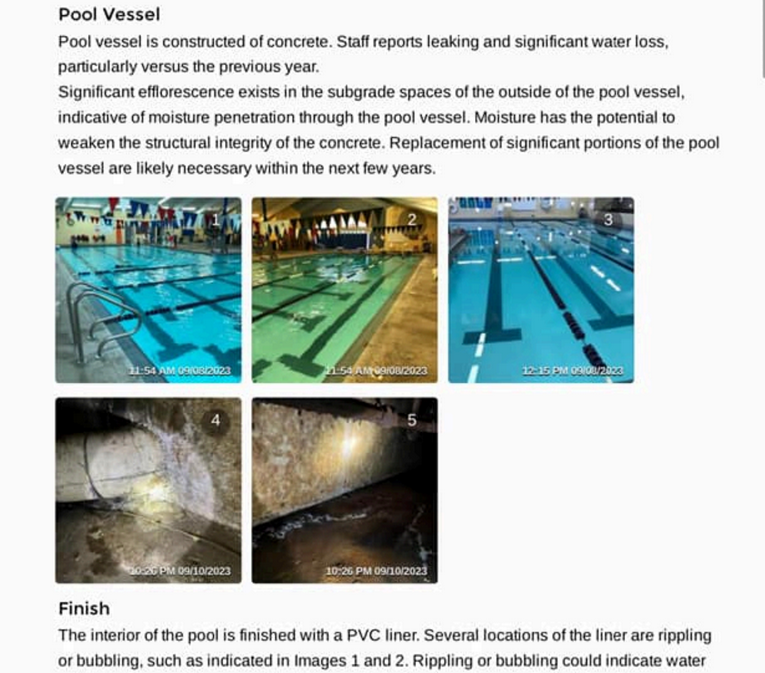
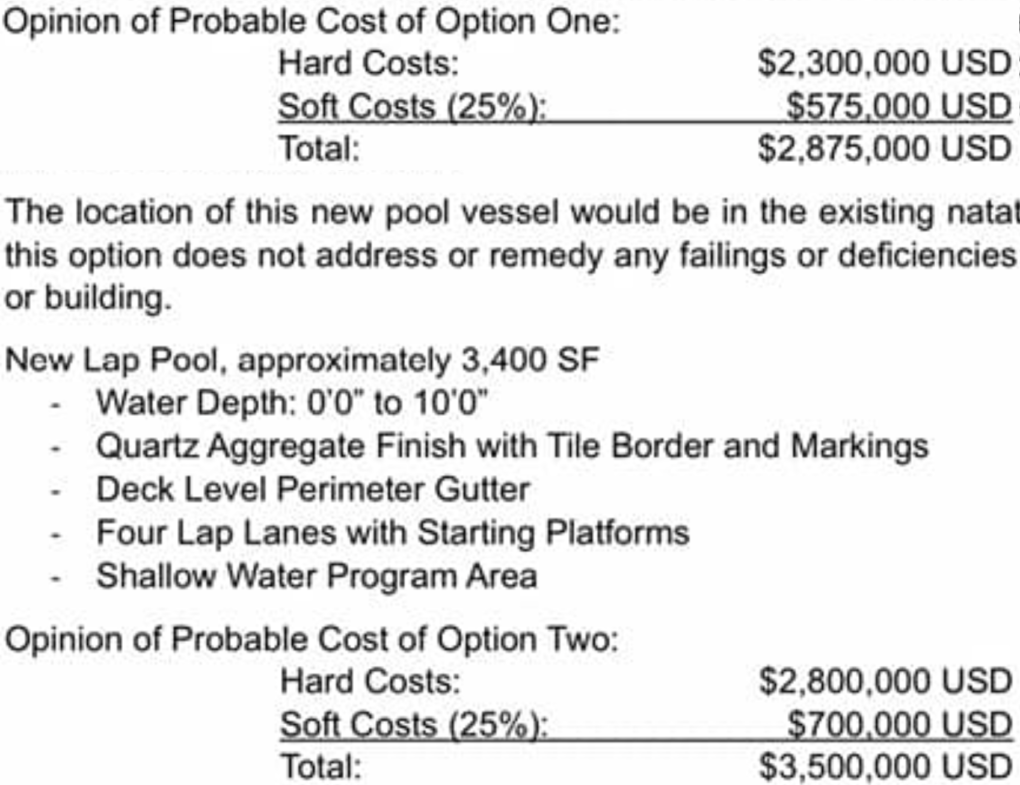
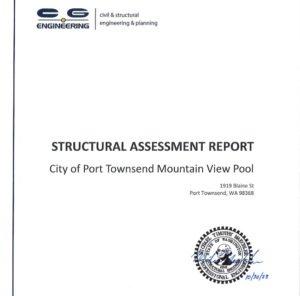 WTI’s report did not look into the condition of the building. For that the city retained the services of CG Engineering of Edmonds, Washington “to assist the City with determining the scope and cost of rehabilitating the pool building,” according to the firm’s October 30, 2023 Structural Assessment Report.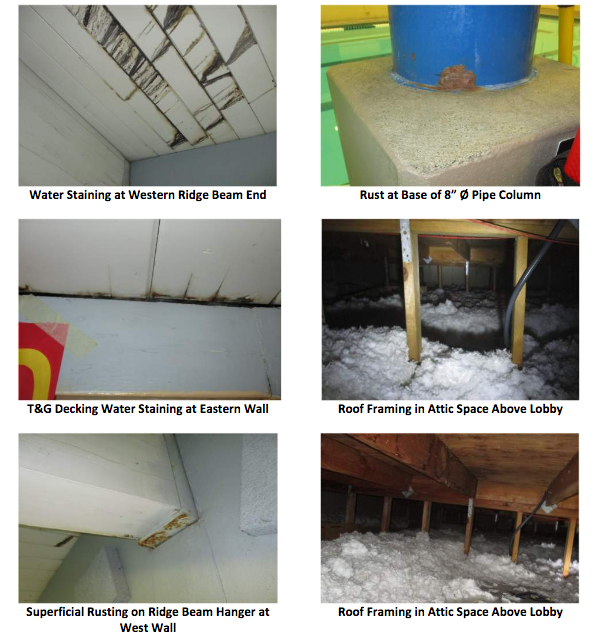
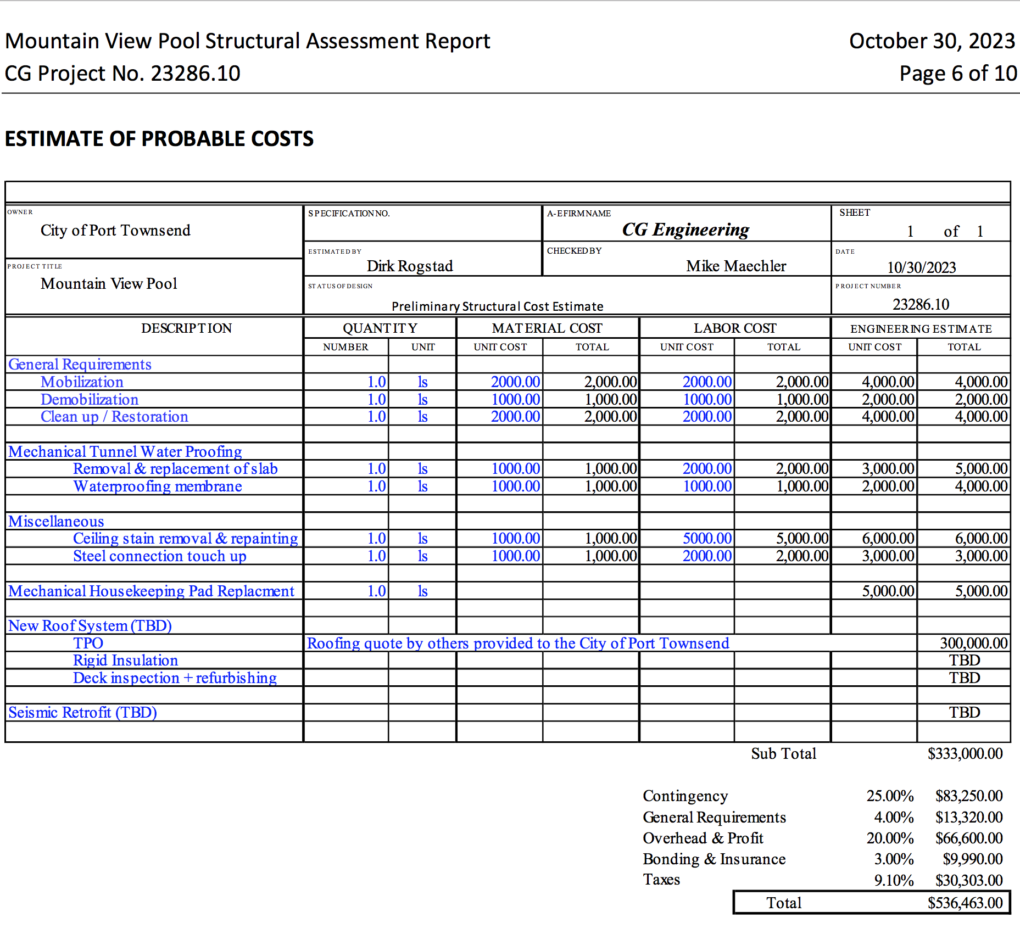
 The WTI and CG Engineering reports, only recently disclosed, were respectively received by the city six months and four months ago. Both firms have decades of experience in these kinds of analyses.
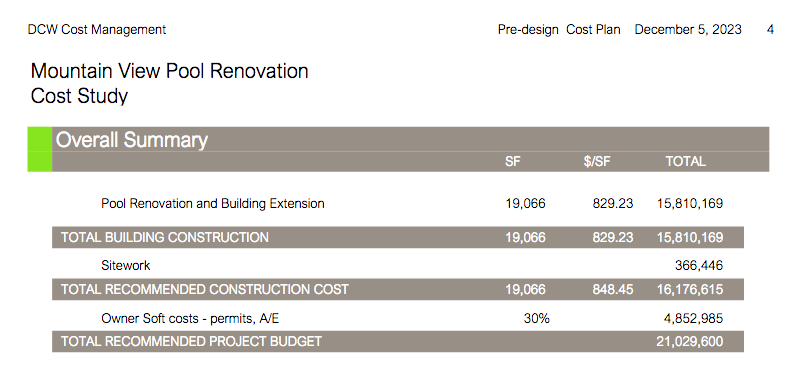
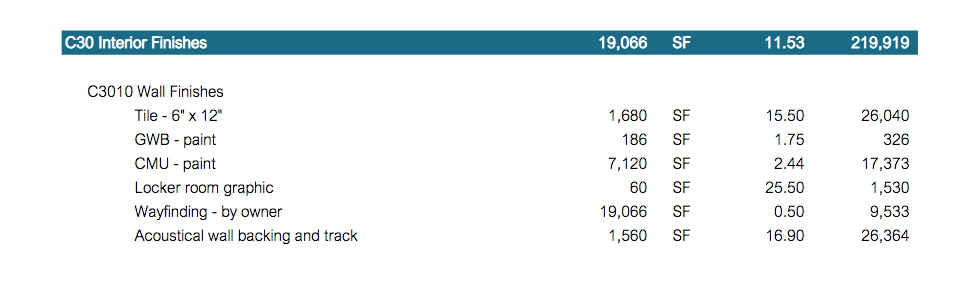


 The grasslands provided better browse for game. They were where the locals grew their camas lilies, the staple vegetable crop of the region and the second most important trade item in the Northwest after smoked salmon. The bulbs were slow-baked in pits for a day and half until golden brown, then pounded into cakes.
 In the 1920’s there were no paved roads into the Olympic Mountains, and only the more adventurous souls made it into the remote areas of the future park. Among these adventurous souls were George and Lillian Welch.
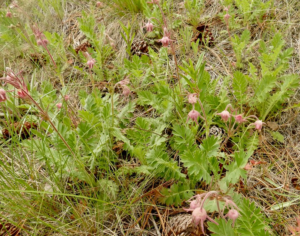 It behaved differently from its neighbors in the Prairie Preserve. While most of the other plants were dispersed throughout the prairie site, Mr. Whiskers was growing in clumps in a few places and appeared to propagate mostly vegetatively rather than by seed. If George helped put the goats in the Olympic Mountains, it didn’t seem so far fetched that he might have planted a few of his mountain favorites in the prairie remnant at the golf course.
 Likewise in 2004 the Native Plant Society planted the seeds of the Golden Paintbrush, a rare and endangered species, in the Prairie Preserve.


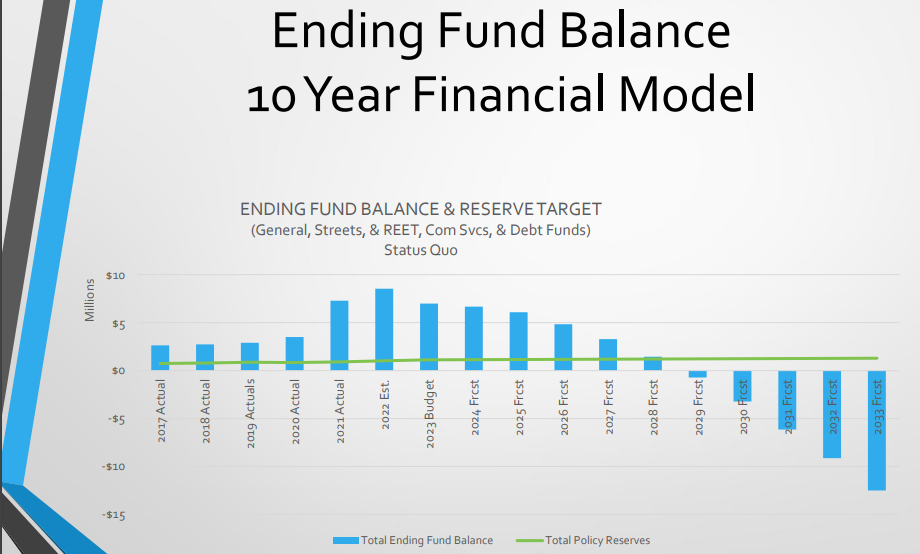
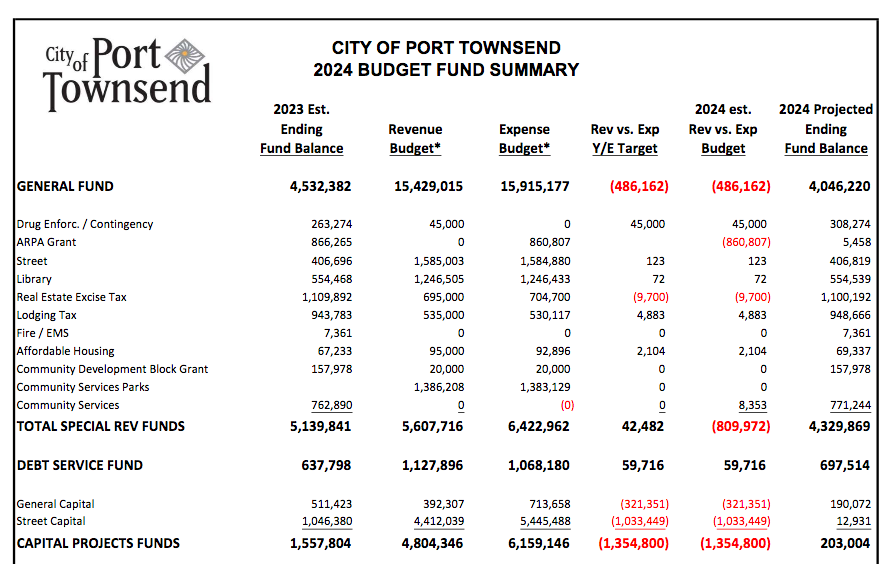

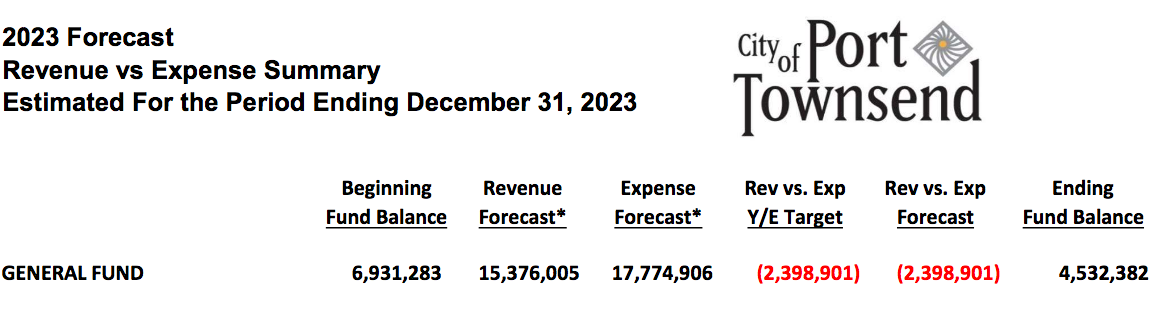
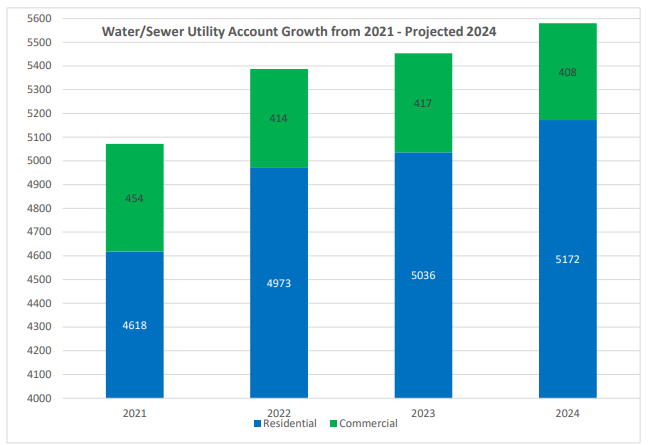
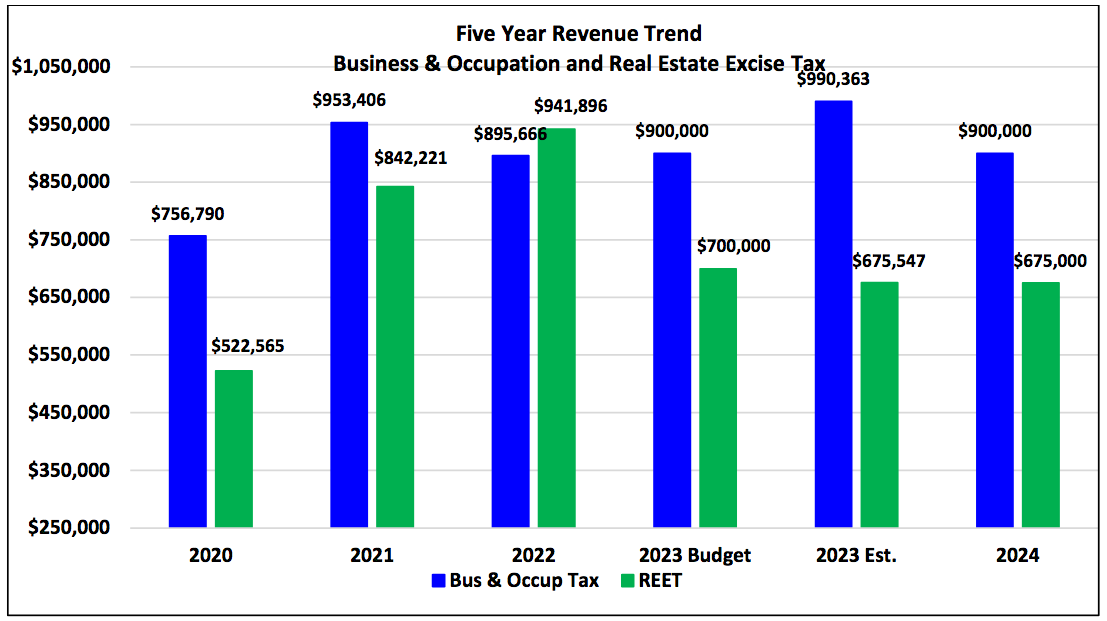
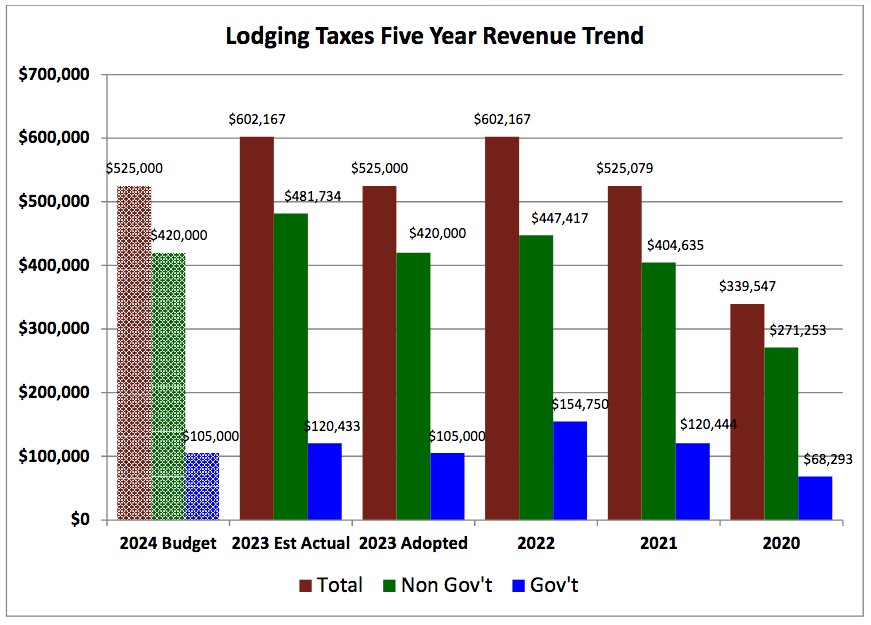
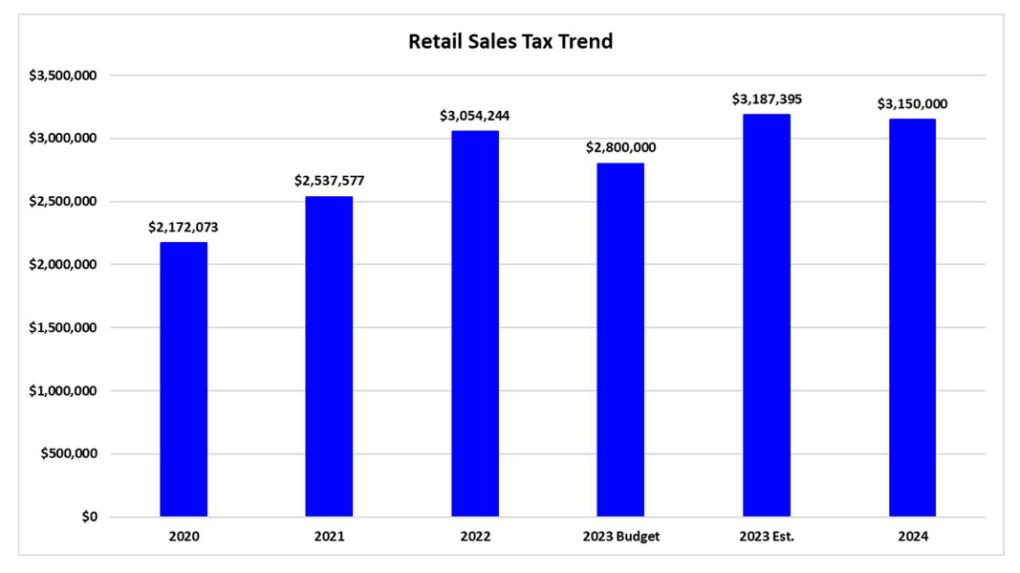
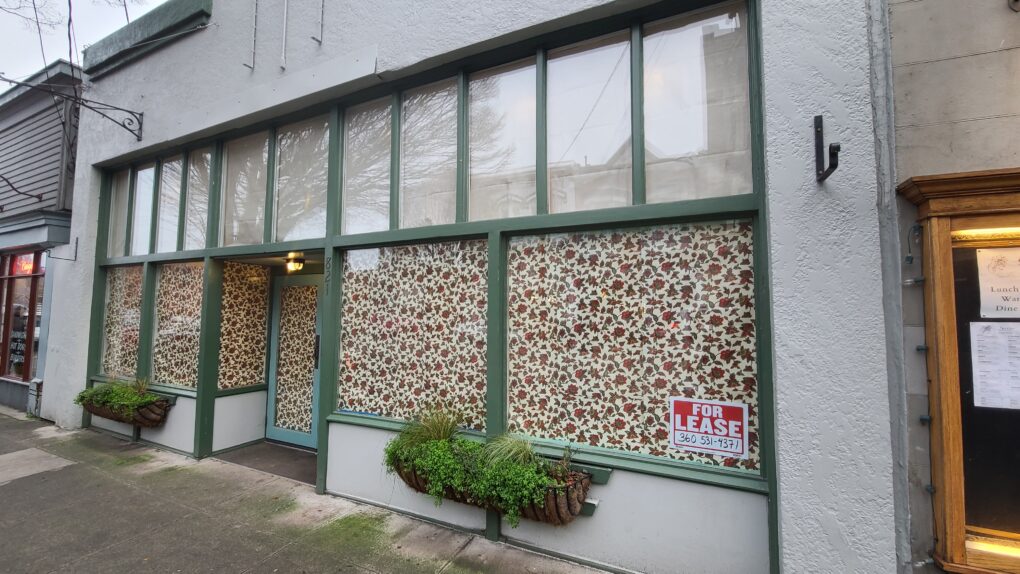
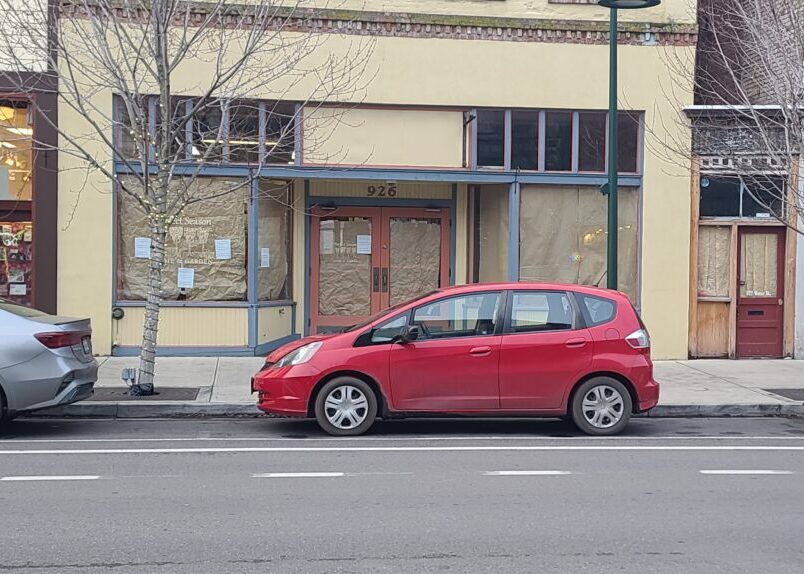 New businesses are not sprouting up in PT, nor are established businesses relocating here. As mentioned earlier, I recently counted 18 shuttered or darkened storefronts and offices from upper Sims Way through downtown on Water and Washington Streets.
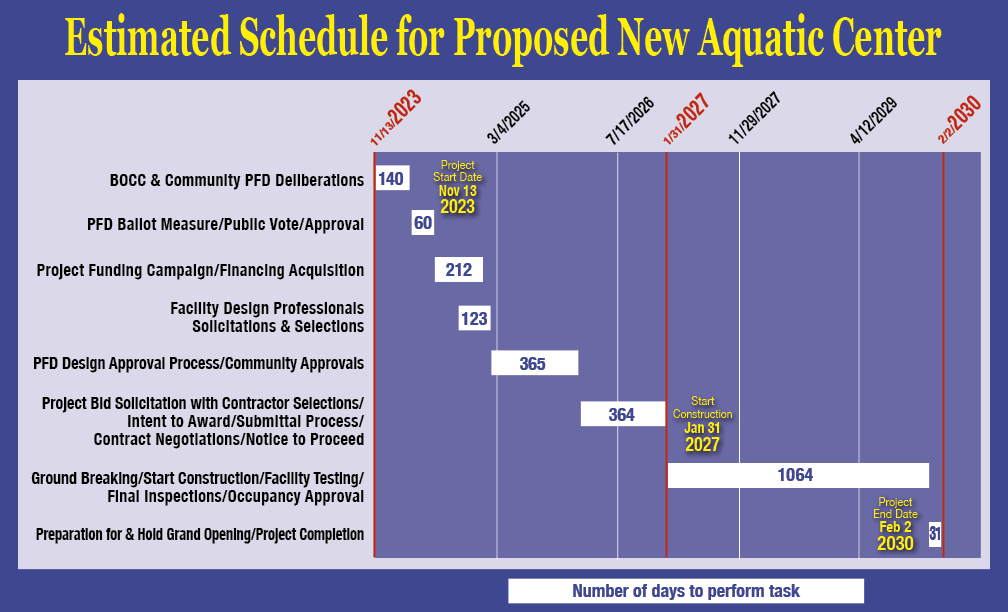
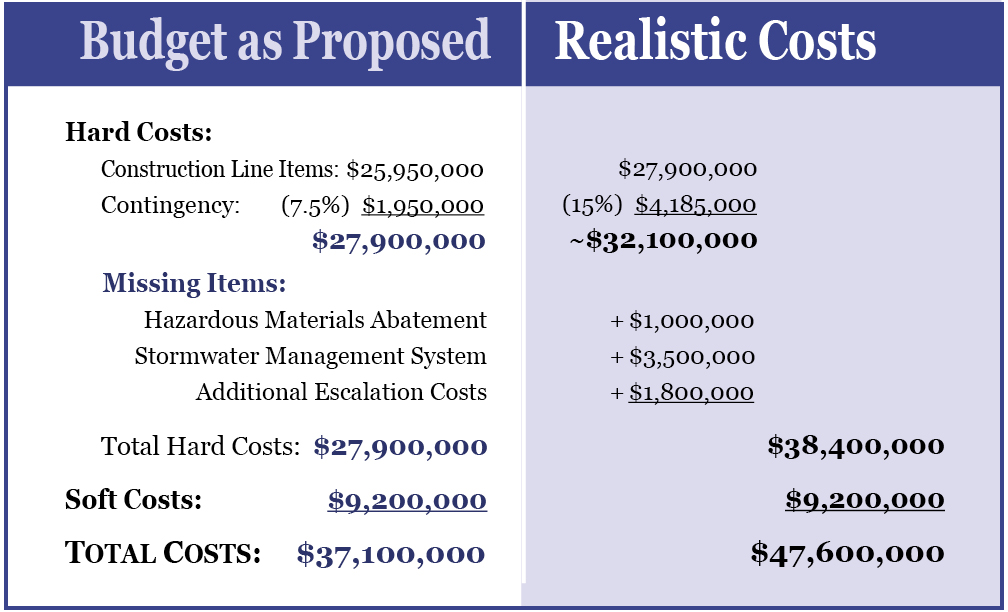
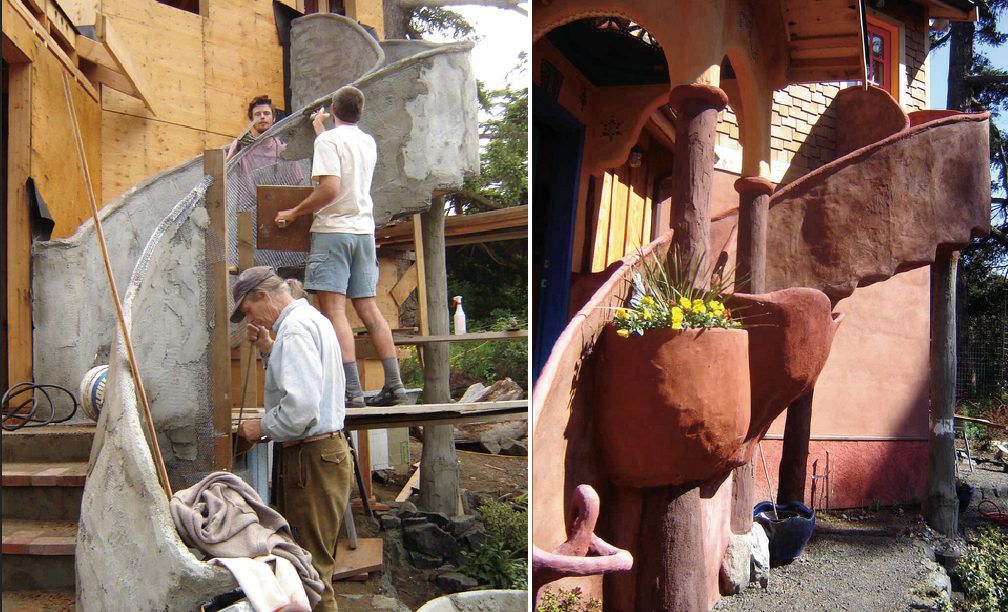
 These low-rent situations were a godsend to folks in need, whether temporary or terminal, and a refuge for artists, musicians, New Age visitors from the beyond, tree planters, driveway auto mechanics, writers, do-gooders, jugglers, back-to-the-land, off-the-grid, hippy libertarians, zen monks, single mothers, organic gardeners and many others with aspirations too numerous to list who chose to diminish their wants in order to live out their dreams.
 Community members worked twenty hours a week tending the bar and serving food in the deli in exchange for beer and room and board.
 Niels felt that houses built to code lacked character. He used to say to anyone who would listen, “I can’t build that way. Those houses are all the same, they have no soul. You know soul like the black musicians say, when someone has put everything they have into a song.”